
Essential Tips for Enhancing Workplace Security
In today's fast-paced world, workplace security is more crucial than ever. With the rise of cyber threats, physical security breaches, and workplace violence, organizations must take proactive measures to protect their employees, assets, and sensitive information. This blog post will provide essential tips to enhance workplace security, ensuring a safer environment for everyone involved.

Understanding Workplace Security
Workplace security encompasses a wide range of practices designed to protect employees, property, and information. It includes both physical security measures, such as surveillance cameras and access control systems, and cybersecurity protocols to safeguard digital assets. Understanding the different aspects of workplace security is the first step toward creating a comprehensive security plan.
The Importance of Workplace Security
Employee Safety: A secure workplace fosters a sense of safety among employees, which can lead to increased productivity and morale.
Protection of Assets: Effective security measures help prevent theft, vandalism, and other criminal activities that can result in significant financial losses.
Compliance: Many industries are subject to regulations that require specific security measures to protect sensitive information and ensure employee safety.
Reputation Management: A company known for its commitment to security can enhance its reputation, attracting customers and top talent.
Conducting a Security Assessment
Before implementing any security measures, it's essential to conduct a thorough security assessment. This process involves evaluating current security practices, identifying vulnerabilities, and determining the specific needs of your organization.
Steps for Conducting a Security Assessment
Identify Assets: List all physical and digital assets that need protection, including equipment, data, and intellectual property.
Evaluate Risks: Analyze potential threats, such as theft, cyberattacks, or natural disasters, and assess their likelihood and potential impact.
Review Current Security Measures: Examine existing security protocols and identify any gaps or weaknesses.
Engage Employees: Involve employees in the assessment process to gain insights into their concerns and suggestions for improvement.
Implementing Physical Security Measures
Once you have a clear understanding of your organization's security needs, it's time to implement physical security measures. These measures can help deter unauthorized access and protect employees and assets.
Key Physical Security Measures
Access Control Systems: Install access control systems, such as key cards or biometric scanners, to restrict entry to authorized personnel only.
Surveillance Cameras: Use surveillance cameras to monitor critical areas and deter criminal activity. Ensure that cameras are placed in strategic locations for maximum coverage.
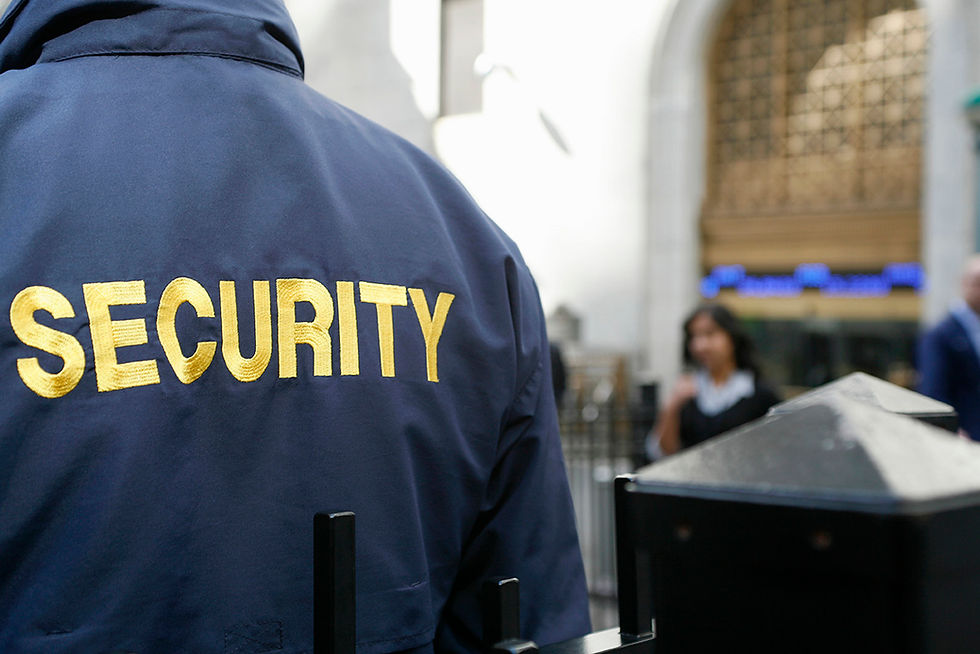
Security Personnel: Consider hiring security personnel to monitor the premises, especially during high-risk hours or events.
Emergency Exits: Clearly mark emergency exits and ensure they are easily accessible. Conduct regular drills to familiarize employees with evacuation procedures.
Enhancing Cybersecurity Protocols
In addition to physical security measures, organizations must prioritize cybersecurity to protect sensitive information from digital threats.
Essential Cybersecurity Practices
Regular Software Updates: Keep all software and systems updated to protect against vulnerabilities and exploits.
Strong Password Policies: Implement strong password policies that require employees to use complex passwords and change them regularly.
Employee Training: Provide regular training on cybersecurity best practices, including recognizing phishing attempts and safe internet browsing habits.
Data Encryption: Use encryption to protect sensitive data, both in transit and at rest, ensuring that unauthorized individuals cannot access it.
Creating a Culture of Security Awareness
A strong security culture is essential for maintaining workplace security. Employees should feel empowered to report suspicious activities and understand their role in protecting the organization.
Strategies for Fostering Security Awareness
Regular Communication: Keep security top-of-mind by regularly communicating updates, policies, and best practices to employees.
Incentivize Reporting: Encourage employees to report security concerns by implementing an incentive program that rewards vigilance.
Conduct Drills: Regularly conduct security drills to prepare employees for potential emergencies, such as active shooter situations or natural disasters.
Feedback Mechanism: Establish a feedback mechanism that allows employees to share their thoughts on security measures and suggest improvements.
Responding to Security Incidents
Despite the best efforts to enhance workplace security, incidents may still occur. Having a clear response plan in place can help mitigate the impact of such events.
Steps for Incident Response
Establish an Incident Response Team: Designate a team responsible for managing security incidents and ensuring a coordinated response.
Develop a Response Plan: Create a detailed incident response plan that outlines the steps to take in various scenarios, including communication protocols and recovery procedures.
Conduct Post-Incident Reviews: After an incident, conduct a thorough review to identify what went wrong and how to improve future responses.
Leveraging Technology for Enhanced Security
Technology plays a vital role in enhancing workplace security. By leveraging advanced tools and systems, organizations can improve their security posture and respond more effectively to threats.
Innovative Security Technologies
Smart Surveillance Systems: Utilize smart surveillance systems that use artificial intelligence to detect unusual behavior and alert security personnel in real-time.
Mobile Security Apps: Implement mobile security apps that allow employees to report incidents, access emergency contacts, and receive alerts on their smartphones.
Cloud-Based Security Solutions: Consider cloud-based security solutions that provide remote access to security systems and data, allowing for better monitoring and management.
Conclusion
Enhancing workplace security is a continuous process that requires commitment and vigilance. By conducting thorough assessments, implementing effective security measures, fostering a culture of awareness, and leveraging technology, organizations can create a safer environment for their employees and protect their valuable assets.
Take the first step today by evaluating your current security practices and identifying areas for improvement. Remember, a secure workplace is not just a goal; it is an ongoing commitment to the safety and well-being of everyone involved.


Comments