
Key Elements of Professional Bank Security Services in the USA Explained
Modern financial institutions depend heavily on minimise the risk of theft, fraud, and social security fraud bank security services in the USA to protect customers, employees, and sensitive assets. These services extend much more than just having uniformed guards at the doors. They integrate trained employees, physical protection, and modern technologies to minimize the risk associated with stealing, committing fraud, and social security. It is important to realize how professional banking security works to understand why professional protection plans are important in the modern financial setting.
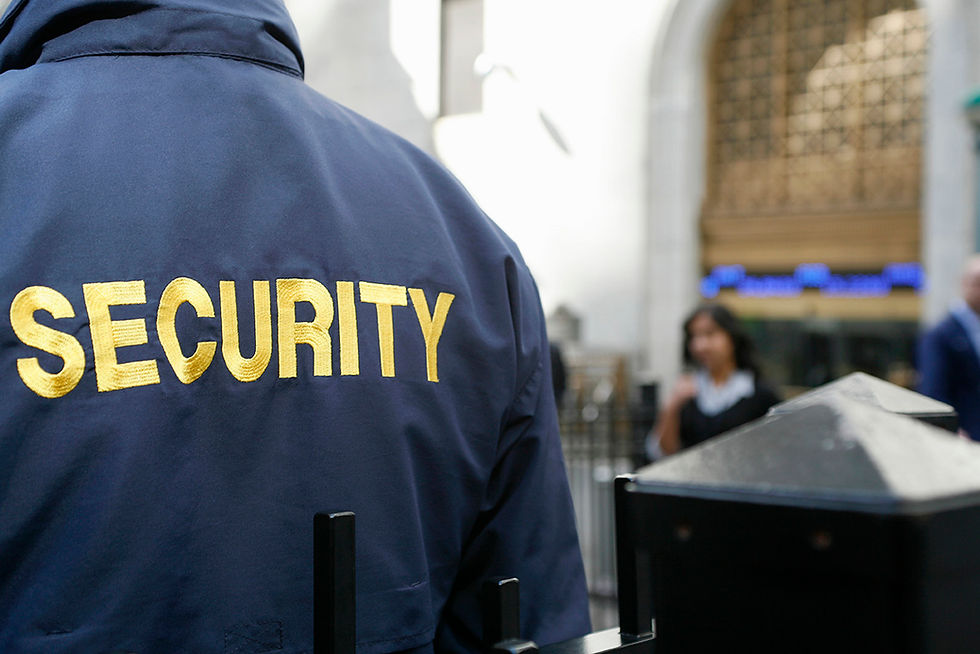
Understanding the Role of Bank Security Guard Services
There are multiple responsibilities beyond basic surveillance when it comes to bank security guard services. Their duties often include:
Surveillance of the doors and exits
Monitoring customer behavior
Responding to emergencies
Coordinating with law enforcement when necessary
Enforcing institutional security policies
The availability of trained guards is also a crime deterrent. Their efforts are directed towards prevention and response equally so that risks are managed before spiraling out of control.
Core Responsibilities of Professional Security Guards for Banks
Professional security guards for banks follow clearly defined protocols. These typically involve:
Access control for restricted areas
Monitoring ATM zones
Escorting cash transfers internally
Managing crowd control during peak hours
Their role requires vigilance without disrupting customer experience. Officers must balance visibility with professionalism, maintaining authority while offering assistance when needed.
Physical Infrastructure Protection Measures
Bank buildings are designed with security in mind. Structural elements often include reinforced doors, controlled entry points, and secured teller stations. Surveillance cameras and alarm systems are integrated into the architecture rather than treated as separate features.
In addition to visible barriers, banks rely on environmental design principles to influence behavior and movement. This includes the strategic placement of furniture, counters, and waiting areas to prevent crowding near sensitive zones. Flooring materials and acoustic planning can also help reduce stress and confusion during high-traffic periods, supporting staff awareness.
Banks may also separate public, semi-private, and restricted areas using subtle visual cues rather than only physical barriers. This layered zoning approach allows security staff to detect unauthorized access early without creating an intimidating environment.
Technology Supporting Bank Security Officer Services
Technology plays a critical role in today’s bank security officer services. Common tools include:
Digital surveillance systems
Motion detection sensors
Access control cards or biometrics
Silent alarm triggers
Data monitoring platforms
These tools enable real-time monitoring and quicker response times. Officers rely on integrated dashboards that display alerts, camera feeds, and activity logs from across the facility.
Integration of Cyber and Physical Security
The relationship between physical and digital protection is becoming increasingly interconnected. Access badges used by employees may be linked directly to network permissions. When physical access is revoked, digital credentials may also be disabled, reducing the risk of insider threats.
In some institutions, surveillance footage is synchronized with transaction records to support investigations. When anomalies appear, security teams can match physical movement with system activity. This dual-layer visibility improves incident assessment and reduces unnecessary disruptions caused by false alerts.
Risk Assessment and Security Planning
Security strategies are based on continuous risk evaluations. These assessments consider:
Location crime rates
Customer volume
Operating hours
Cash-handling procedures
Historical incident data
Banks adjust security coverage according to these findings. For example, branches with higher foot traffic may increase personnel presence during specific hours, while remote locations may rely more heavily on technology-based solutions.
Training and Certification Standards
Security professionals working in financial institutions must meet regulatory and industry standards. Training programs typically include:
Emergency response procedures
Legal responsibilities
Conflict de-escalation
Observation and reporting skills
Ethical conduct
Beyond technical instruction, training increasingly emphasizes psychological awareness and stress management. Officers practice maintaining composure during high-pressure situations such as attempted thefts or public disputes.
Another area of focus is communication and cultural sensitivity. Because banks serve diverse communities, guards are trained to communicate clearly and respectfully while maintaining authority. This reduces misunderstandings and improves cooperation in daily operations.
Compliance With Banking Regulations
Banks must follow strict federal and state regulations related to security operations. These laws govern:
Surveillance use
Data protection
Employee background checks
Emergency preparedness
Failure to meet these standards can result in penalties or operational restrictions. Security policies are therefore aligned with legal frameworks to ensure both safety and regulatory compliance.
Coordination With Emergency Services
Security teams often maintain direct communication channels with emergency responders. During critical incidents such as robberies or medical emergencies, coordinated action reduces response time and confusion.
Procedures typically outline:
Evacuation routes
Lockdown protocols
Communication hierarchies
Evidence preservation methods
Such coordination ensures consistency between internal security and external agencies.
Customer Safety and Public Interaction
Security is not solely focused on criminal prevention. It also plays a role in customer reassurance and support. Officers may assist elderly customers, manage disputes, or provide guidance during emergencies. A visible yet approachable presence encourages compliance with rules while helping maintain a calm atmosphere. This balance is essential in environments where trust and transparency are important.
Future Trends in Banking Security
Future systems are expected to rely more on predictive analysis rather than reactive measures. By studying patterns in historical data, institutions may identify vulnerabilities before incidents occur. Biometric technologies are also evolving. Behavioral identifiers such as walking patterns or hand movements could complement traditional access controls. As automation expands, ethical concerns about privacy and data management will require careful policy development.
Public Awareness and Preventive Education
Another important aspect of banking security is customer education. Informing customers about basic safety practices, such as protecting PIN numbers and remaining alert near ATMs, helps reduce risk. Many institutions provide printed materials or digital alerts related to fraud prevention. These efforts contribute to a broader security culture where customers and staff share responsibility for safety.
Final Thoughts
Banking security is an elaborate combination of trained human resources, technology and infrastructural and policy coordination. Compared to physical protection to inbuilt digital surveillance, every element contributes to a multi-layered defense strategy.
Through the knowledge of the way bank security services in the USA work, one can easily realize that protection is not an isolated task, but a progressive approach, influenced by the risk, regulation, and innovation. The constant training, planning, and updating of the systems ensure that financial institutions are ready to meet the current challenges as well as those that may be encountered in future.
Comments